Spot and stop scam phone calls: your complete guide
TL;DR:
- Scam calls impersonate trusted entities using urgency and pressure to steal personal information or money.
- Recognizing tactics like caller ID spoofing, AI voice cloning, and common scam types helps in prevention.
- Building a habit to verify independently and avoid reacting impulsively greatly enhances protection.
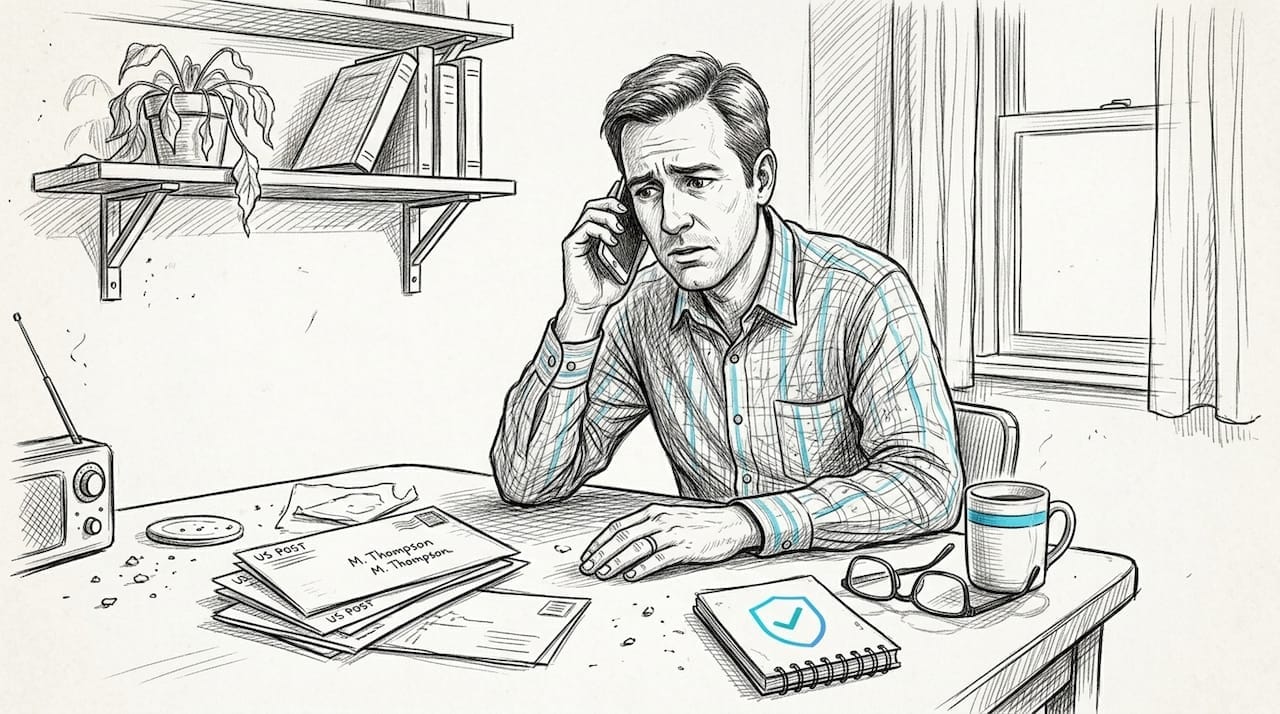
My neighbor considered herself tech-savvy. She screened her calls, never clicked suspicious links, and laughed at forwarded chain emails. Then one afternoon, a caller knew her bank name, the last four digits of her card, and her street address. She panicked and handed over her full account number before she realized what had happened. Even savvy individuals fall victim to bank imposters armed with partial personal details. Scam phone calls don’t only target the uninformed. They target everyone. This guide will walk you through what scam calls are, the tactics behind them, and exactly what you can do to protect yourself and your family.
Table of Contents
- What defines a scam phone call?
- Common types and tactics of scam phone calls
- How to recognize and avoid scam phone calls
- Recent trends and special risks: what’s changing in scam phone calls?
- Why scams work and what most guides miss
- How ScamKit helps you stay safe from scam calls
- Frequently asked questions
Key Takeaways
| Point | Details |
|---|---|
| Anyone can be targeted | Scam phone calls are sophisticated and fool even smart, cautious individuals. |
| Urgency is a red flag | If a caller pressures you to act fast or pay unconventionally, it’s likely a scam. |
| Verification is essential | Always hang up and contact organizations using verified, official numbers. |
| Tech evolves scams | AI voice cloning and caller ID spoofing make scams harder to detect. |
| Stay proactive | Use call blocking, report scam numbers, and educate yourself to stay safe. |
What defines a scam phone call?
Now that you understand how easy it is to fall prey to these schemes, let’s clarify exactly what makes a phone call a scam.
A scam phone call is an unsolicited fraudulent call where scammers impersonate trusted entities to steal money or personal information. The caller might pretend to be the IRS, your bank, a utility company, or even a family member in trouble. The goal is always the same: get you to act before you think.
Scam calls share a few defining features:
- Impersonation: The caller pretends to be someone you trust or fear, like a government agency or law enforcement officer.
- Urgency: You’re told to act immediately or face serious consequences, like arrest, account closure, or a missed refund.
- Unusual payment requests: Scammers push for gift cards, wire transfers, or cryptocurrency, payment methods that are nearly impossible to reverse.
- Requests for sensitive information: They ask for Social Security numbers, bank account details, passwords, or PINs.
- Threats or pressure: They warn you not to hang up, not to tell anyone, and not to call back through official channels.
“The moment someone on the phone makes you feel like you have no time to think, that urgency is the scam itself.”
The core mechanic here is psychological. Scammers don’t need to hack your accounts if they can convince you to hand over access voluntarily. They exploit trust, fear, and confusion to override your better judgment. Recognizing these patterns is your first and most powerful line of defense.
Unexpected calls asking for money or personal data, threats of legal action, or offers that sound too good to be true are all red flags. If a call feels off, it probably is.
Common types and tactics of scam phone calls
With a clear foundation, let’s look at the most widespread scams and how they work in practice.
Scam calls come in many forms, but prevalent types include imposter scams, tech support fraud, and family emergency calls using AI voice cloning. Each one is designed to hit a specific fear or vulnerability.
| Scam type | Who they impersonate | What they want |
|---|---|---|
| IRS/government imposter | Tax agencies, Social Security | Payment, SSN |
| Bank fraud alert | Your bank or credit union | Account credentials |
| Tech support | Microsoft, Apple, antivirus brands | Remote access, payment |
| Family emergency | A grandchild, child, or relative | Wire transfer, gift cards |
| Prize or lottery | Contest organizers | Fees, personal info |
Here’s how a typical scam call unfolds. You get a call from what looks like a local number. The caller says your computer has a virus and instructs you to download software so they can fix it remotely. Once connected, they “find” a problem, charge you hundreds of dollars, and may even steal data in the process. That’s a tech support phone scam in action.
For family emergency scams, caller ID spoofing and panic-driven tactics make calls appear to come from trusted numbers. Now add AI voice cloning to that. Scammers can now replicate a loved one’s voice using just a short audio clip from social media. Grandparents have wired thousands of dollars after hearing what sounded exactly like their grandchild crying for help.
Other technical tricks scammers use:
- Local number spoofing: Making calls appear to come from your area code to increase answer rates.
- Robocalls with live transfers: An automated message hooks you, then transfers you to a live scammer.
- Neighbor spoofing: The number mimics one close to yours, making it feel familiar.
Pro Tip: If someone calls claiming to be a relative in an emergency, hang up and call that person directly on a number you already have saved. Never send money based on a single unexpected call.
Anyone can be targeted. Scammers use data brokers and leaked databases to personalize calls with real details, which makes them far more convincing than generic pitches.
How to recognize and avoid scam phone calls
Understanding tactics is one thing. Here’s how to shield yourself and your family with proven methods.
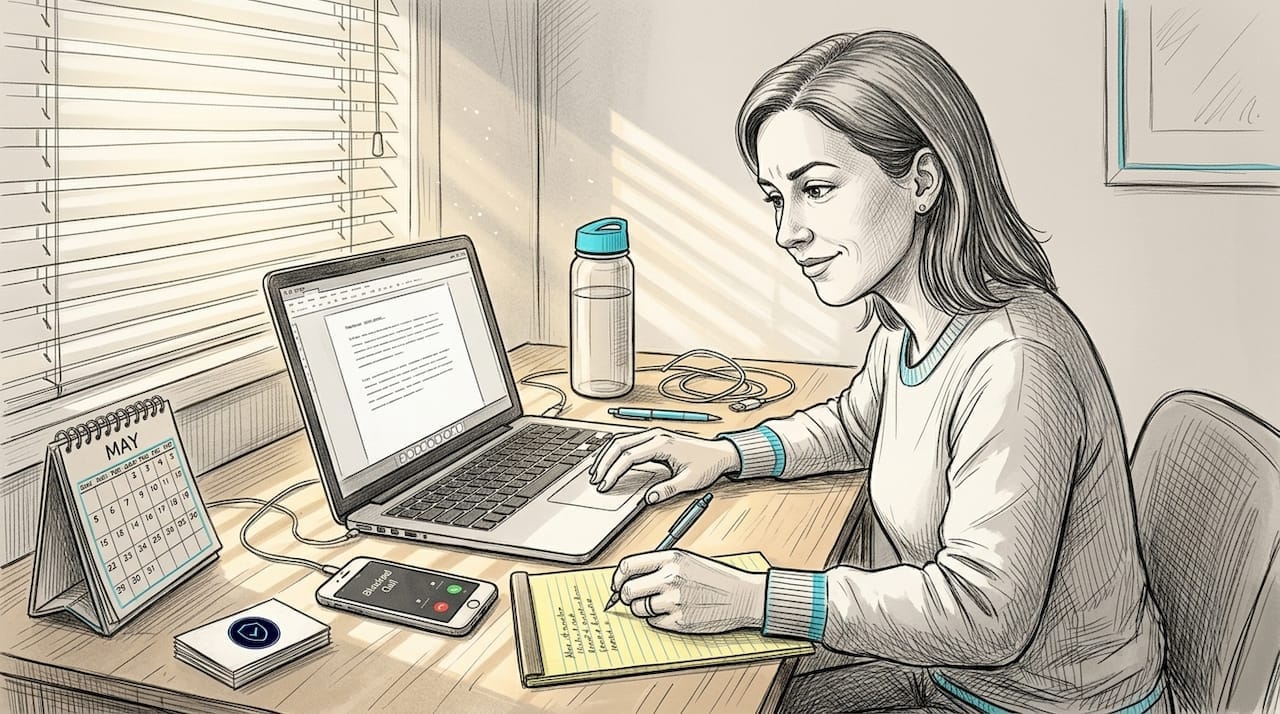
The FTC recommends you verify independently and never rely solely on caller ID or emotional appeal. That means even if the number looks right, even if the story sounds real, you pause and check before doing anything.
Here are the steps to protect yourself:
- Don’t answer unknown numbers. Let unfamiliar calls go to voicemail. Legitimate callers leave messages.
- Hang up on pressure. If anyone demands immediate action, hang up. Real organizations don’t operate that way.
- Verify the caller independently. Look up the official phone number for the organization and call them back yourself.
- Never share sensitive information over the phone. This includes Social Security numbers, bank account details, and passwords, regardless of who’s asking.
- Refuse unusual payment methods. No legitimate agency asks for payment by gift card, wire transfer, or cryptocurrency.
- Register with the Do Not Call Registry. Call blocking tools and the Do Not Call Registry reduce unwanted calls, and reporting scam numbers helps protect others.
- Use call-blocking apps. Apps like Nomorobo, Hiya, or your phone carrier’s built-in tools can screen or block suspected scam numbers automatically.
Pro Tip: The payment method is almost always the clearest red flag. Gift cards are for gifts. Wire transfers are for trusted business contacts. If someone is asking you to pay that way, it’s a scam.
For more structured guidance, our scam avoidance strategies page covers the full range of protective habits, and you can also learn how to identify suspicious phone calls in more detail. If you want step-by-step verification methods, our phone scam verification tips walk you through exactly how to confirm whether a call is real.
Reporting matters too. When you report a scam call, it feeds data to enforcement agencies that actively track and shut down fraudulent operations.
Recent trends and special risks: what’s changing in scam phone calls?
Safeguards aren’t static. New scams emerge as technology and social patterns evolve.
Fraud losses exceeded $10 billion in 2023, with robocall complaints still among the highest categories received by the FTC. That number reflects reported losses only. Unreported cases push the real figure far higher.
| Year | Reported fraud losses | Robocall complaints |
|---|---|---|
| 2021 | $5.8 billion | 3.8 million |
| 2022 | $8.8 billion | 4.1 million |
| 2023 | $10+ billion | Still trending high |
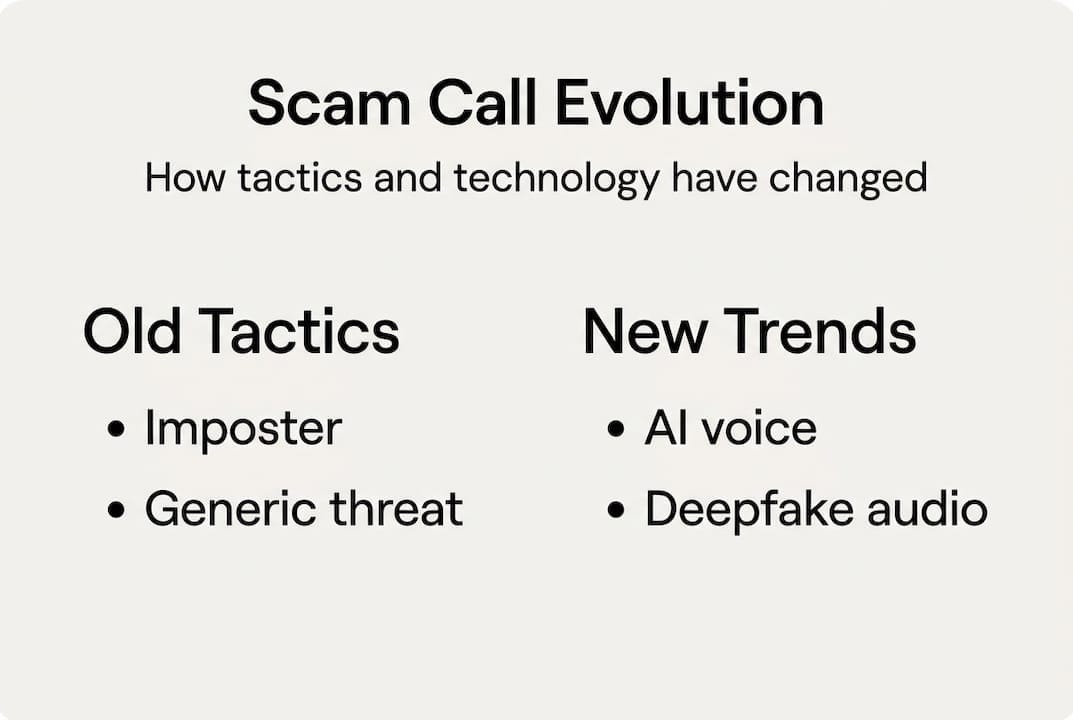
The biggest shift in recent years is the role of AI. AI voice cloning and deepfake audio now allow scammers to impersonate real people with disturbing accuracy. These tools are cheap, widely available, and require only a few seconds of recorded audio to build a convincing fake voice.
Spoofed numbers and targeting of vulnerable groups are driving up harm in specific communities. Seniors remain the most targeted group and often lose the most per incident. Research also shows that Black and Latino communities face disproportionately high rates of phone fraud, partly due to targeted scam campaigns in those demographics.
Key trends to watch in 2026:
- Real-time adaptive scams: AI tools allow scammers to adjust scripts mid-call based on your responses.
- Two-step scams: A first call builds trust over days or weeks, then a second call makes the fraudulent ask.
- Package and delivery fraud: Fake delivery notifications prompt callbacks that turn into scam interactions.
- Verification code theft: Scammers call pretending to confirm your identity and ask you to read back a code they triggered on your account.
“Scammers are no longer running static scripts. They’re using real-time data and AI tools to personalize every call, making even careful people vulnerable.”
Enforcement is improving, but the sheer volume of scam operations makes it an ongoing challenge. Reporting remains one of the most effective tools individuals have.
Why scams work and what most guides miss
We’ve covered tactics and practical tools. But the real difference maker goes deeper than any checklist.
Most scam prevention advice focuses on red flags: watch for urgency, verify the number, avoid gift card payments. That’s all correct. But it misses something important. Scams work because scammers exploit psychology against even savvy targets. They don’t look for ignorant people. They look for distracted, rushed, emotionally activated people.
Caller ID is essentially meaningless at this point. Anyone with basic tools can make a call appear to come from your bank, your doctor’s office, or a government agency. Relying on it as a trust signal is dangerous.
The uncomfortable truth is that knowledge alone doesn’t protect you. What protects you is building a habit of pausing before reacting. Develop a personal rule: no sensitive action on an incoming call, ever. If it’s real, you can call back. If it’s urgent, the organization will have a way to verify through official channels.
We’ve seen this pattern repeatedly. The moment emotion takes over, whether it’s fear, excitement, or relief, your defenses drop. Learning how to check if a call is a scam is valuable, but building the reflex to slow down first is what actually keeps you safe.
How ScamKit helps you stay safe from scam calls
With this knowledge in hand, here’s how you can take the next step toward safer, scam-free calls.
Knowing what to look for is powerful. Having tools to back you up makes it even easier.
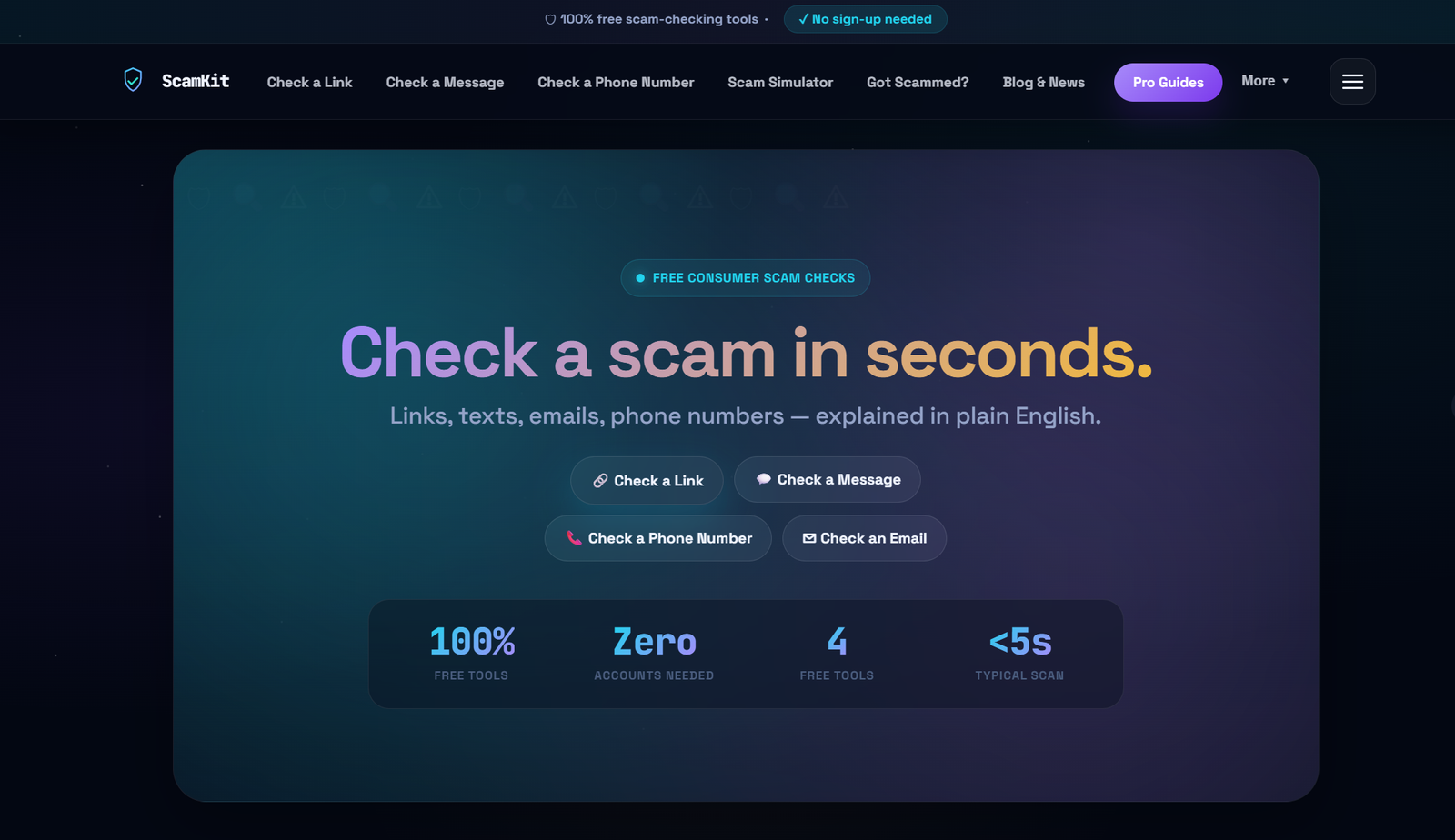
ScamKit’s free phone scam checker lets you screen any suspicious number before you call back or engage. No sign-up required. Just enter the number and get an instant risk assessment. If you want to understand exactly how AI voice scams work and how to spot them, our AI voice scam guide breaks it down in plain language. ScamKit is built for real people who want real protection without needing a cybersecurity degree. Check a number, learn the signs, and stay one step ahead.
Frequently asked questions
How can I tell if a phone call is a scam?
Hang up if the caller asks for money, personal information, or pushes you to act immediately. Always verify through official channels before taking any action based on an incoming call.
Should I trust caller ID if it says a government or bank is calling?
No. Caller ID spoofing is standard practice in scam calls, so always look up the organization’s official number and call them back yourself.
What should I do if I get a robocall?
Don’t press any buttons, hang up immediately, block the number, and report it to the FTC or FCC. Robocall complaints make up a massive portion of Do Not Call Registry reports each year.
Are some people more likely to be targeted by scam calls?
Yes. Seniors and Black/Latino communities face higher targeting rates and often experience greater financial losses per incident than other groups.