Scam victim support: How to recover and protect yourself
TL;DR:
- Over $12.5 billion was stolen from Americans in 2024 through online scams.
- Scam support includes emotional help, practical reporting, financial recovery, and education.
- Prevention involves verification, action plans, trusted contacts, and scam-detection tools.
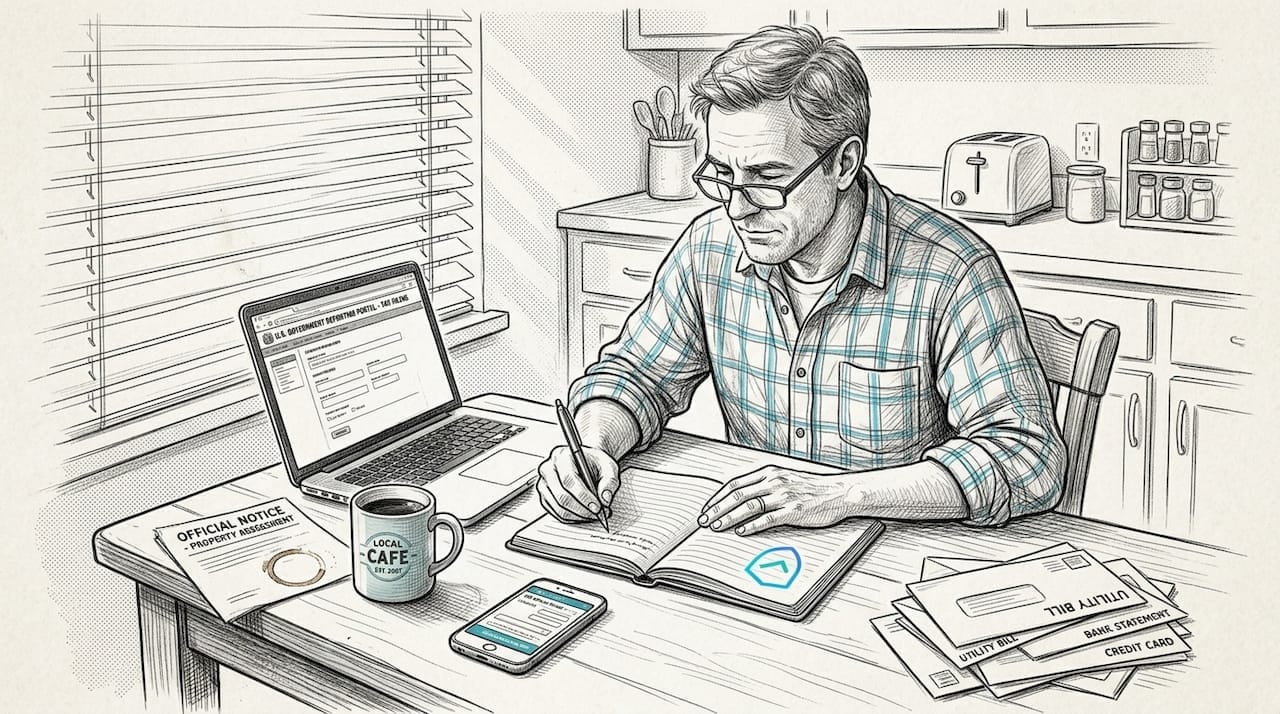
Online scams stole over $12.5 billion from Americans in 2024 alone, and that number is almost certainly an undercount. Most victims never report what happened. And of those who do, only a tiny fraction ever see their money again. If you’ve been scammed, you’re probably feeling a mix of anger, embarrassment, and confusion about what to do next. Here’s the thing: scam victim support is about far more than chasing a refund. It covers your emotional recovery, your financial options, your personal security, and your ability to protect yourself going forward. This guide walks you through all of it.
Table of Contents
- What is scam victim support?
- The step-by-step response: How victim support works
- Nuances, challenges, and edge cases in victim support
- How to protect yourself: Prevention, education, and action plans
- A perspective most guides miss: Why self-compassion and proactive education matter most
- Take the next step with ScamKit tools and resources
- Frequently asked questions
Key Takeaways
| Point | Details |
|---|---|
| Support is multifaceted | Scam victim support includes emotional, financial, and practical aid from various organizations. |
| Recovery is limited | Most scam victims recover little or no money, so action and prevention are crucial. |
| Reporting matters | Immediate reporting to official agencies and banks improves support options and helps stop further scams. |
| Prevention is power | Learning to spot scams and using proactive tools is the best long-term defense. |
| Self-compassion helps healing | Emotional recovery is as important as financial steps and reduces the risk of repeat victimization. |
What is scam victim support?
Scam victim support is not a single service or hotline. It’s a network of resources, people, and steps designed to help you recover after an online scam. Scam victim support covers emotional assistance, practical recovery steps, financial options, and education to help prevent future harm. It comes from government agencies, nonprofit organizations, financial institutions, and online communities.
Here’s how the main types of support break down:
| Type of support | What it includes | Who provides it |
|---|---|---|
| Emotional | Counseling, peer groups, crisis lines | Nonprofits, therapists, community orgs |
| Practical | Reporting guidance, account security | FTC, FBI IC3, banks |
| Financial | Refund requests, fraud claims | Banks, credit card companies |
| Educational | Scam awareness, prevention tools | Government sites, ScamKit |
The organizations most equipped to help include:
- FTC (Federal Trade Commission): File a report at ReportFraud.ftc.gov and get personalized recovery steps.
- FBI IC3: The Internet Crime Complaint Center handles cybercrime reports.
- Your bank or credit card company: Report unauthorized transactions immediately.
- AARP Fraud Watch Network: Especially helpful for older adults.
- Crisis Text Line: Text HOME to 741741 for emotional support.
Here’s a hard truth most people don’t hear: financial recovery is rare. The vast majority of scam victims never get their money back. That’s not meant to discourage you. It’s meant to shift your focus toward what you can control: your emotional health, your account security, and your future safety.
“True recovery from a scam isn’t just about the money. It’s about rebuilding your confidence and your sense of security online.”
If you’re unsure where to begin, start with what to do if scammed for a clear, step-by-step breakdown.
The step-by-step response: How victim support works
Knowing what support exists is one thing. Knowing how to actually use it is another. The process moves in a clear sequence, and acting fast matters a lot.
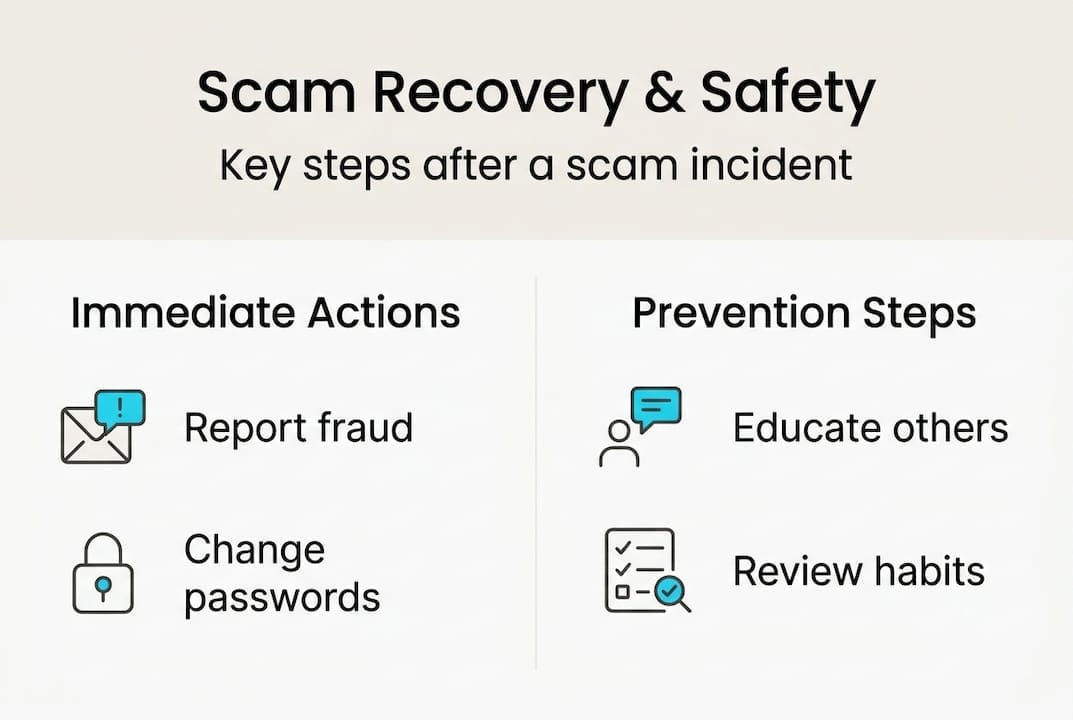
- Stop all contact immediately. Block the scammer on every platform. Do not respond, even to confront them.
- Verify independently. If someone claimed to be your bank, the IRS, or a government agency, call the official number from their real website. Not the number they gave you.
- Report the scam. File reports with the FTC and FBI IC3, and notify your bank or payment platform right away.
- Secure your accounts. Change passwords, enable two-factor authentication, and check for any unauthorized activity.
- Seek emotional support. Don’t skip this step. Scam trauma is real. Talk to someone you trust, or reach out to a helpline.
- Document everything. Save screenshots, emails, transaction records, and any communication with the scammer.
Pro Tip: Only use official reporting sites like ReportFraud.ftc.gov and ic3.gov. Scammers sometimes set up fake reporting portals to collect your personal information a second time.
Here’s a number worth sitting with: only 3.4% of losses reported to the FBI were actually frozen in 2024. That means the vast majority of stolen funds are gone for good. Reporting still matters, because it helps authorities track patterns and protect others. But your energy is better spent on the actions after a scam that protect you right now.
Building smarter habits going forward is equally important. Reviewing scam avoidance strategies can help you recognize red flags before they become costly mistakes.
Nuances, challenges, and edge cases in victim support
The support process sounds straightforward on paper. In practice, it’s messier. There are real obstacles that many guides don’t mention, and some of them can make recovery harder if you’re not aware.
Recovery scams are a serious threat. After you’ve been scammed once, you may be targeted again. Criminals share and sell victim lists. They then approach you pretending to be recovery specialists who can get your money back, for a fee upfront. This is a scam targeting prior victims, and it’s more common than most people realize.
Here’s how standard recovery compares to edge cases:
| Situation | Typical outcome | Key challenge |
|---|---|---|
| Credit card fraud | Possible chargeback | Must act within 60 days |
| Wire transfer scam | Rarely recovered | Banks not liable in most cases |
| Gift card scam | Almost never recovered | Cards are untraceable |
| Elder victim | More support resources | Higher shame, underreporting |
| Repeat victim | Targeted by recovery scams | Distrust of all help |
Emotional barriers are just as real as financial ones. Shame stops a lot of people from reporting or seeking help. Many victims feel they should have known better, and that guilt keeps them silent. But only 7% of scams are reported globally, even though 73% of US adults have experienced a scam attempt. You are not alone, and being targeted is not a reflection of your intelligence.
Other common barriers include:
- Not knowing where to report or who to trust
- Fear of judgment from family or friends
- Confusion about whether the loss qualifies for reimbursement
- Language barriers and limited access to support services
- Distrust of authorities, especially among immigrant communities
“Scammers are professionals. They do this full time. Falling for one doesn’t make you naive. It makes you human.”
If you need someone to talk to or point you in the right direction, our victim support services page can help connect you with the right resources.
How to protect yourself: Prevention, education, and action plans
Once you’ve dealt with the immediate fallout, the most powerful thing you can do is build habits that make you a harder target. Prevention isn’t about being paranoid. It’s about being prepared.
Start with independent verification. Any time someone asks you to send money, share personal information, or click a link, pause and verify through an official channel. Don’t use the contact details they provide. Look up the organization yourself.
Here are the core prevention strategies that actually work:
- Create a personal action plan. Decide in advance what you’ll do if you receive a suspicious message. Action plans and trusted contacts are proven to reduce scam losses.
- Designate a trusted contact. Pick one person you’ll always check with before sending money or sharing sensitive info.
- Use scam-detection tools. Tools that analyze links, messages, and phone numbers can catch threats before you engage.
- Stay informed. Scam tactics evolve constantly. Follow updates from the FTC, FBI, and trusted cybersecurity sources.
- Practice spotting red flags. Urgency, secrecy, unusual payment methods, and too-good-to-be-true offers are the biggest warning signs.
Pro Tip: Educate the people around you, especially older relatives and kids. Use a scam simulator tool to walk them through realistic scenarios in a safe environment. Hands-on practice beats lectures every time.
Emotional education matters just as much as technical knowledge. Understanding why scams work, the psychology of urgency, authority, and fear, helps you recognize when those tactics are being used on you. Reviewing scam avoidance best practices gives you a solid foundation. And if you work with a team or organization, digital awareness tools can help build that knowledge at scale.
A perspective most guides miss: Why self-compassion and proactive education matter most
Most recovery guides focus almost entirely on reporting and reimbursement. File here, call there, dispute this charge. That’s useful, but it misses the bigger picture.
The honest reality is that financial recovery rates remain extremely low. Chasing a full refund is often a painful, fruitless process that keeps you stuck in the worst moment of the experience. We’re not saying don’t try. We’re saying don’t make it your only goal.
Self-compassion is not a soft add-on. It’s a practical recovery tool. Victims who release shame and stop blaming themselves are more likely to report, more likely to seek help, and more likely to build the habits that protect them next time. The guilt loop is what scammers count on. Breaking it is an act of resistance.
The real win isn’t getting your money back. It’s building knowledge and habits that make you genuinely harder to fool. Investing in proven avoidance strategies is worth more than any amount of time spent chasing frozen funds. Learn, connect with others who’ve been through it, and move forward with your eyes open.
Take the next step with ScamKit tools and resources
If you’ve read this far, you’re already doing the right thing. You’re taking this seriously and looking for real answers. ScamKit is built to support exactly that.
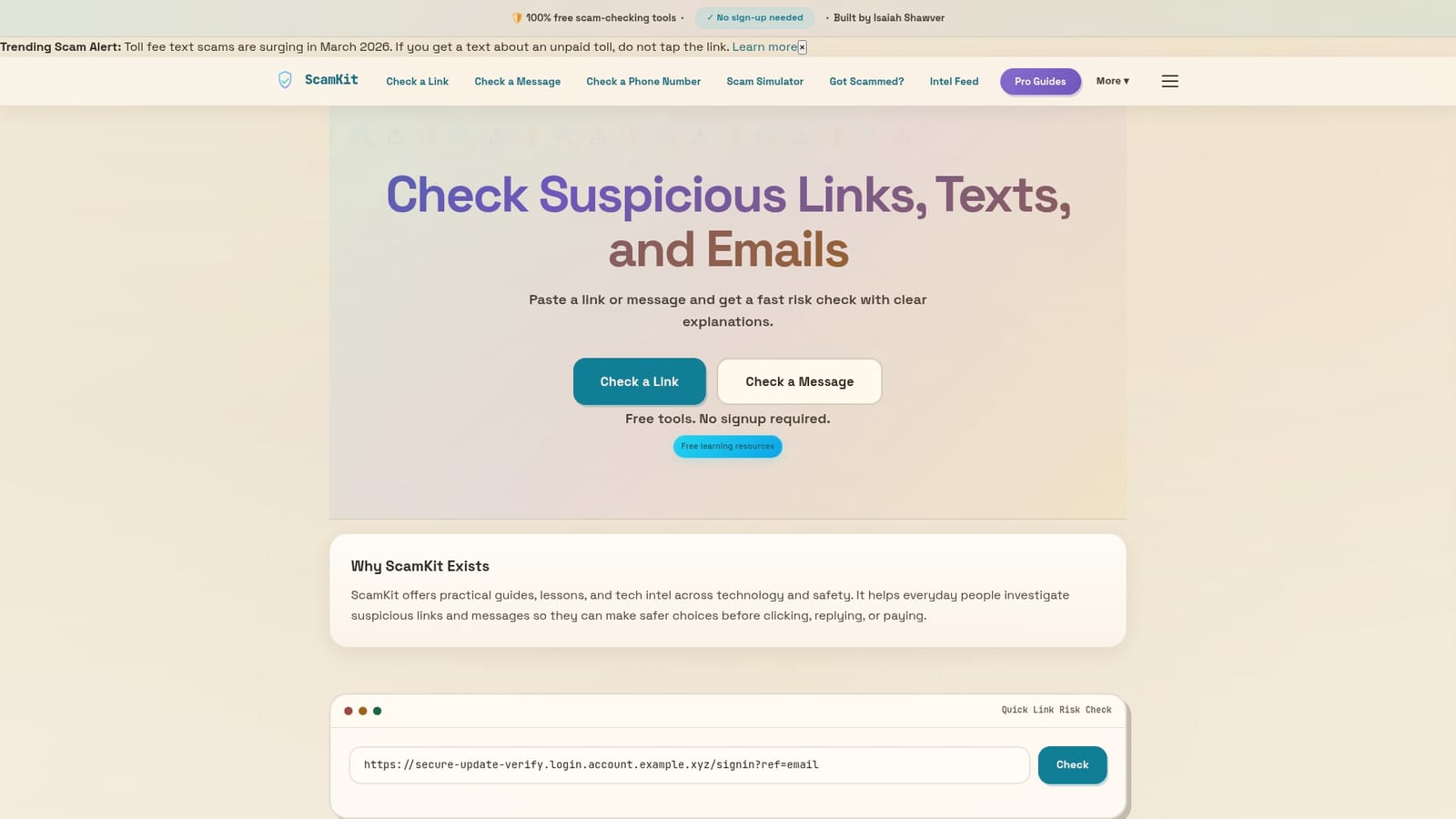
With ScamKit tools, you can check suspicious links before you click, analyze messages that feel off, and screen unknown phone numbers in seconds. No sign-up required, no data collected. The link risk checker and email analyzer are free and fast, giving you instant insight when something doesn’t feel right. Whether you’re recovering from a recent scam or building habits to prevent the next one, ScamKit gives you practical tools and clear guidance every step of the way.
Frequently asked questions
What should I do first if I realize I was scammed?
Immediately stop all contact, report the scam to the FTC or your bank, and change your passwords and account credentials right away.
Can I recover my money after an online scam?
Some victims receive refunds if they act quickly through their bank or payment platform, but recovery rates are very low and most financial losses are not fully recovered.
Is there emotional support for scam victims?
Yes. Scam victim support includes crisis helplines, peer counseling, and community groups specifically designed to help with the shame, trauma, and isolation that many victims experience.
What are recovery scams?
Recovery scams target prior victims by posing as recovery specialists who promise to get lost money back, but charge an upfront fee and deliver nothing.
How can I prevent falling for another scam?
Use a personal action plan with trusted contacts, verify all requests independently, and use scam-detection tools to check links and messages before you engage.